Introduction
Have you ever wondered why riding boots are considered essential in equestrian activities? It’s not just about tradition or style; riding boots play a crucial role in ensuring safety, comfort, and performance while riding. They are designed specifically to provide the right support and protection for your feet and legs, making them indispensable for any rider.
Whether you’re a seasoned equestrian or just starting, choosing the right riding boot can significantly enhance your riding experience. The right pair can prevent injuries, provide better grip, and even improve your overall posture on the saddle. So, if you’re serious about riding, investing in a good pair of riding boots is not just an option, it’s a necessity.
What Are Riding Boots?
Definition and Purpose of Riding Boots
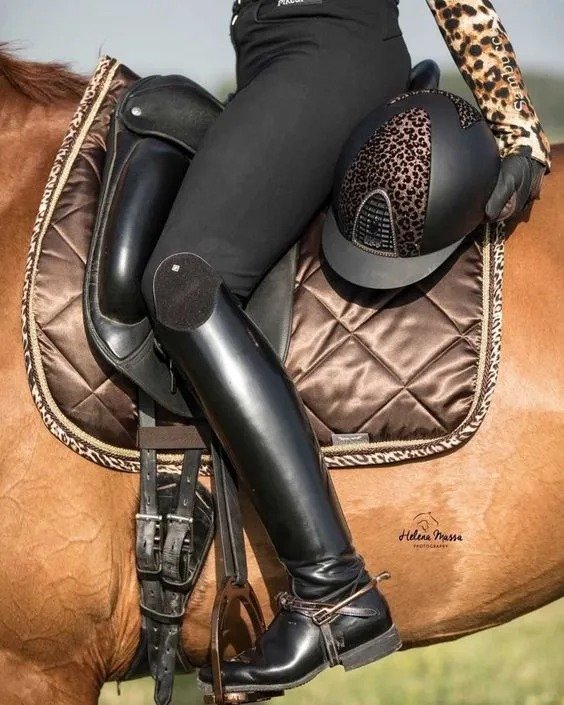
Riding boots are specialized footwear crafted specifically for horseback riding. Unlike regular boot, riding boot meet the unique demands of equestrian activities. They provide optimal grip on the stirrups, protect the rider’s legs from chafing against the saddle, and offer essential support for the rider’s feet and ankles during a ride.
The primary purpose of riding boot is to enhance both safety and comfort while riding. A good pair of riding boots can make all the difference in your riding experience. They ensure that your feet stay secure in the stirrups, reducing the risk of slipping. Additionally, they protect your legs from scrapes and injuries that can occur from constant contact with the horse and the equipment.
🥾These Boots Were Made For Riding
Key Features of Riding Boots
Riding boots are distinguished by several key features that set them apart from other types of footwear:
- Tall Shaft: Riding boots typically have a tall shaft that extends up to the knee or just below it. This design protects the rider’s legs from friction against the saddle and horse.
- Heeled Design: The heel on riding boots is usually about an inch high, which is essential for keeping the rider’s feet from sliding through the stirrups. This feature provides stability and prevents accidents.
- Durable Material: Riding boots are made from sturdy materials like leather or synthetic substitutes that can withstand wear and tear. Leather is a popular choice for its durability and ability to mold to the rider’s foot over time.
- Smooth Sole: The soles of riding boots are smooth to prevent getting caught in the stirrups, allowing for quick and safe dismounting if necessary.
- Snug Fit: A good fit is crucial in riding boots. They should be snug around the ankle and calf to provide support and prevent the boot from slipping off during a ride.
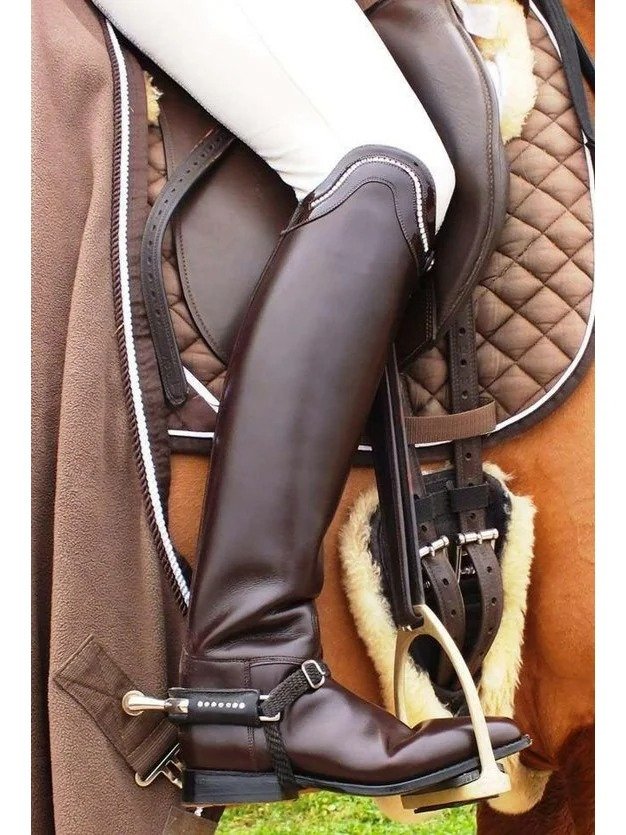
These features are not just about aesthetics—they are designed with the rider’s safety and comfort in mind. Whether you’re participating in casual riding or competitive equestrian sports, understanding the importance and functionality of riding boots is essential. They are a vital piece of gear that enhances your riding experience and keeps you safe.
Why Is Choosing the Right Riding Boots So Important?
Safety: Protecting Your Feet and Legs
Choosing the right riding boots is crucial for your safety while riding. One of the primary functions of riding boots is to protect your feet and lower legs from injuries. The tall shaft of the boots shields your legs from scrapes and bruises caused by rubbing against the saddle or the horse. This protection is essential, especially during long rides, where constant friction can lead to discomfort or even skin damage.
Moreover, the heel of riding boot plays a critical role in preventing your feet from slipping through the stirrups. Without the right heel height, you risk losing control, which can be dangerous. Riding boots ensure your feet stay securely in place, giving you confidence and peace of mind while you ride.
Support: Stability and Fatigue Reduction
The right pair of riding boots provides much-needed stability in the saddle. A snug fit around your ankle and calf helps keep your foot firmly planted, reducing the chances of your foot moving around too much. This stability not only improves your riding posture but also enhances your overall performance.
In addition to stability, riding boots are designed to decrease fatigue during riding. Whether you’re spending hours in the saddle or just enjoying a short ride, the support that riding boots offer can make a significant difference. They provide the necessary arch support and cushioning to reduce strain on your feet and legs, allowing you to ride longer with less discomfort.

Comfort: Essential for Every Ride
Comfort is a key factor when choosing riding boots. The right boots offer cushioning, arch support, and breathability, ensuring that your feet remain comfortable even during extended periods of wear. Riding boots are also designed to be weather-resistant, protecting your feet from rain, mud, and other elements. This durability means you can rely on your boots to last through many rides without compromising on comfort.
The materials used in riding boots, such as leather or synthetic options, are chosen for their ability to mold to the shape of your foot over time, providing a custom fit. This adaptability is crucial for avoiding blisters and discomfort, especially when riding for long periods.
Discipline-Specific Features: Tailoring to Your Needs
Different equestrian disciplines require specific features in riding boots. For example, dressage boots often have a stiffer shaft to provide better leg support and enhance the rider’s position. On the other hand, jumping boots are more flexible, allowing for the mobility needed when navigating obstacles.
The impact of wearing the proper boots for your discipline cannot be overstated. Not only do they enhance your performance, but they also contribute to your overall appearance in the arena. Riders are often judged on their presentation, and the right boots can help you look the part, boosting your confidence and ensuring you’re properly equipped for the task at hand.
In summary, choosing the right riding boots is more than just a fashion choice—it’s a vital aspect of riding that affects your safety, support, comfort, and performance. Whether you’re new to riding or an experienced equestrian, investing in the right pair of boots is essential for enjoying your time in the saddle to the fullest.
Types of Riding Boots
Paddock Boots: Versatile and Practical
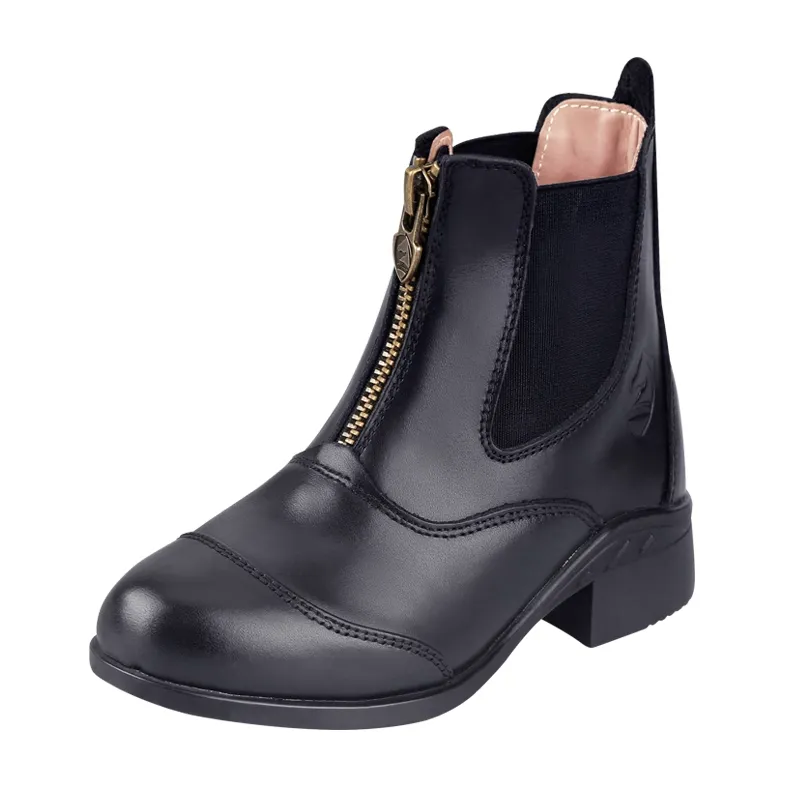
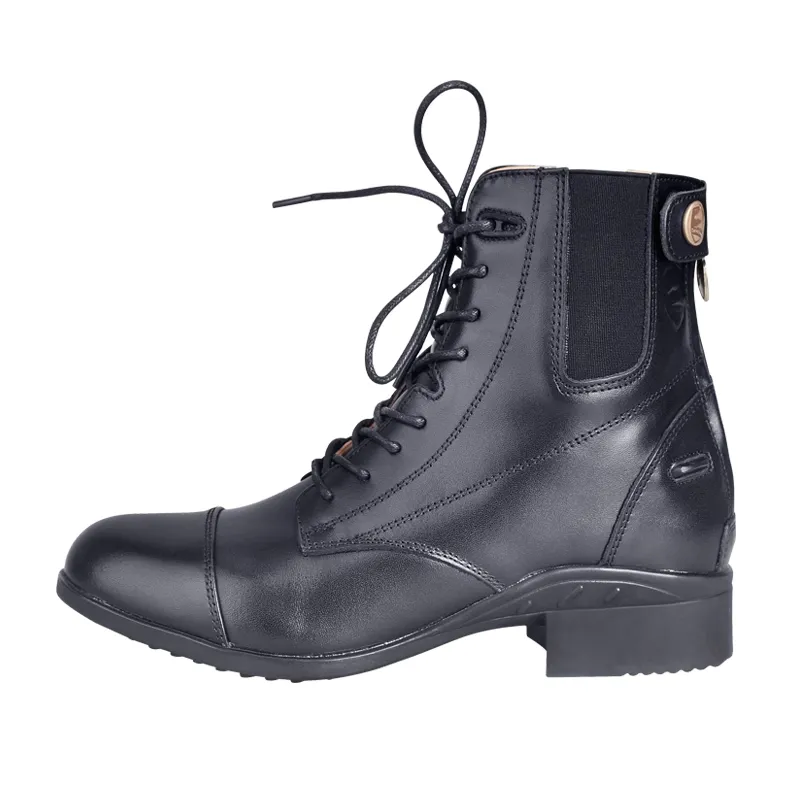
Paddock Boots are a staple in the world of equestrian footwear, known for their versatility and practicality. Typically, these boots are ankle-length and are often used in everyday riding, especially in English riding disciplines. They’re an excellent choice for beginners or for those who spend a lot of time in the barn.
Common Features of Paddock Boots:
- Lace-up or Zip Styles: Paddock boots come in both lace-up and zip styles, offering different levels of support and ease of use. Lace-up paddock boots provide a more customizable fit around the ankle, while zip styles are quick and convenient for busy riders.
- Durable Construction: These boots are built to withstand the rigors of daily use, often made from high-quality leather or synthetic materials that can handle the wear and tear of barn chores and riding alike.
- Comfortable and Supportive: With a focus on comfort, paddock boots typically have cushioned insoles and good arch support, making them ideal for long hours at the barn.
Paddock boots are also versatile enough to be worn outside of riding activities, making them a popular choice for those who want a boot that transitions well from stable to street.
Barn Boots: Rugged and Reliable
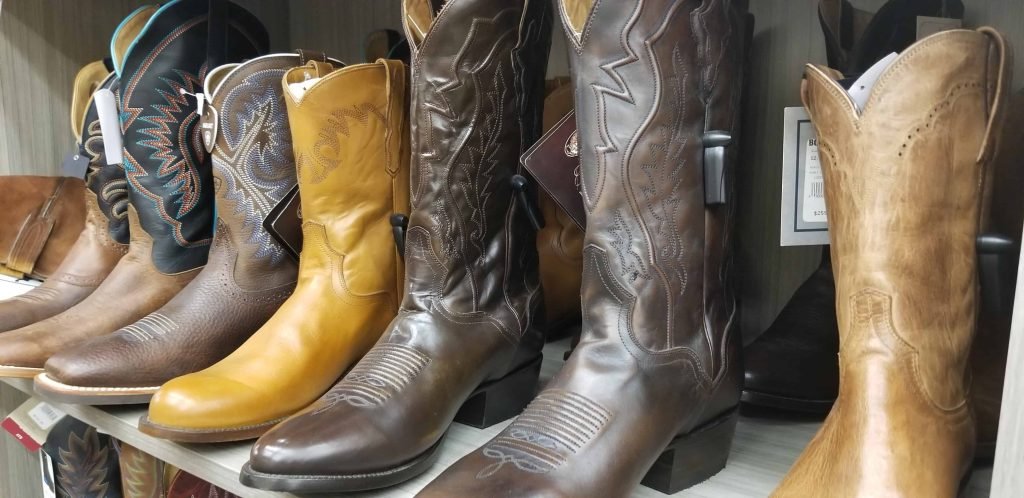
Barn Boots are designed with the working equestrian in mind. These boots are built for the demands of barn life, offering more rugged protection compared to paddock boots.
Key Differences Between Barn Boots and Paddock Boots:
- Heavier Construction: Barn boots are generally bulkier and more robust than paddock boots, with reinforced soles and waterproof materials to keep your feet dry and protected in muddy or wet conditions.
- Utility-Focused: These boots are not just for riding but are also ideal for handling all the dirty work around the barn. Their design prioritizes durability and practicality, making them a must-have for any equestrian who spends significant time around the barn.
- Casual Use: Many riders also use barn boots as casual footwear due to their comfort and durability. They’re perfect for walking through rough terrain or doing chores without worrying about damaging your riding boots.
While barn boots may not have the sleek appearance of other riding boots, their functionality and ruggedness make them indispensable for any serious rider.
Field Boots: A Classic Choice for English Riding
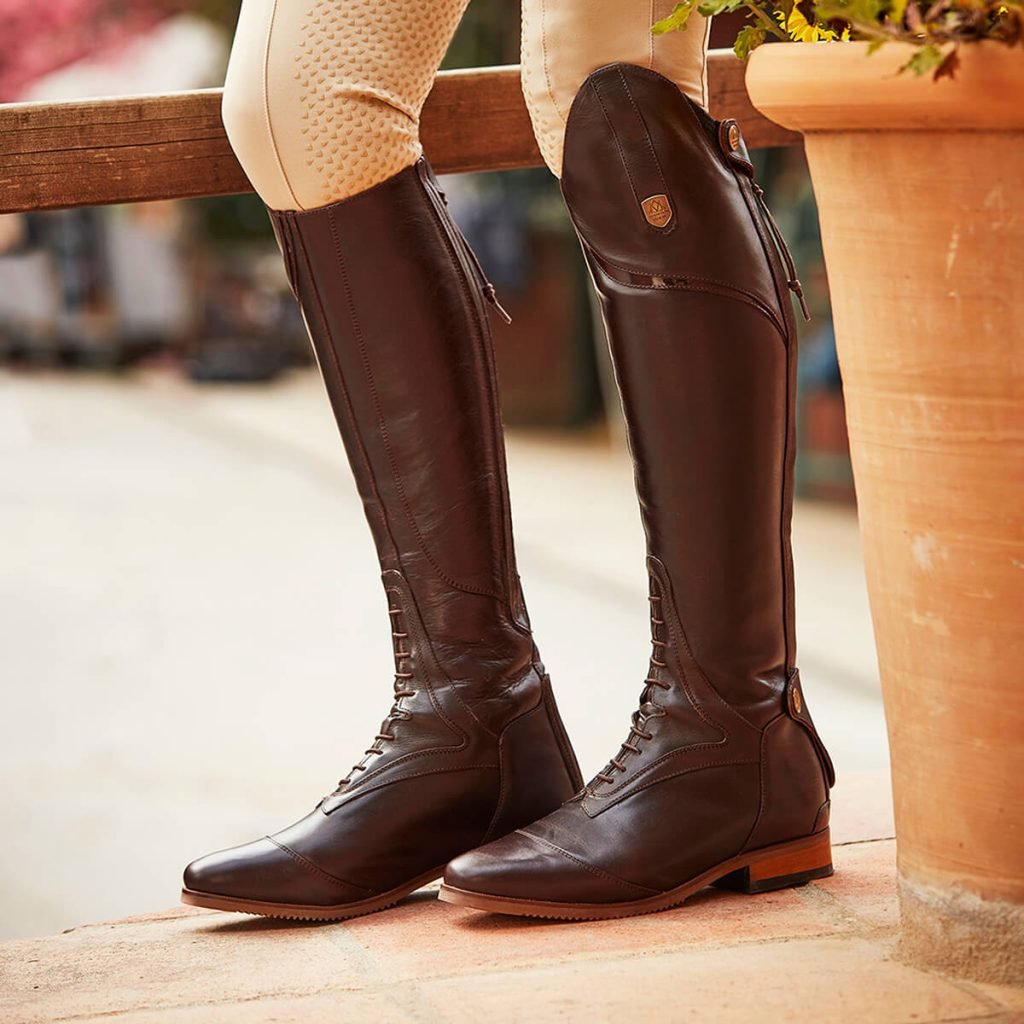
Field Boots are a popular choice in English riding disciplines, especially for jumping and eventing. These boots are knee-high and are designed with features that accommodate the specific needs of English riders.
Characteristics of Field Boots:
- Laced Front: One of the most distinctive features of field boots is the laced front, which provides flexibility at the ankle. This flexibility is crucial for riders who need to maintain a proper foot position while jumping or navigating through a course.
- Polished Look: Field boots boast a sleek, polished appearance that makes them a favorite in show rings. Made from high-quality leather, they shine brightly when polished, enhancing the rider’s professional look.
- Importance in Competitions: Riders need these boots for show jumping and eventing, where judges evaluate both performance and appearance. The combination of flexibility, support, and style makes them a top choice for competitive riders.
Field boots offer the perfect blend of function and form, allowing riders to perform at their best while maintaining a polished look.
Dress Boots: Elegance and Tradition
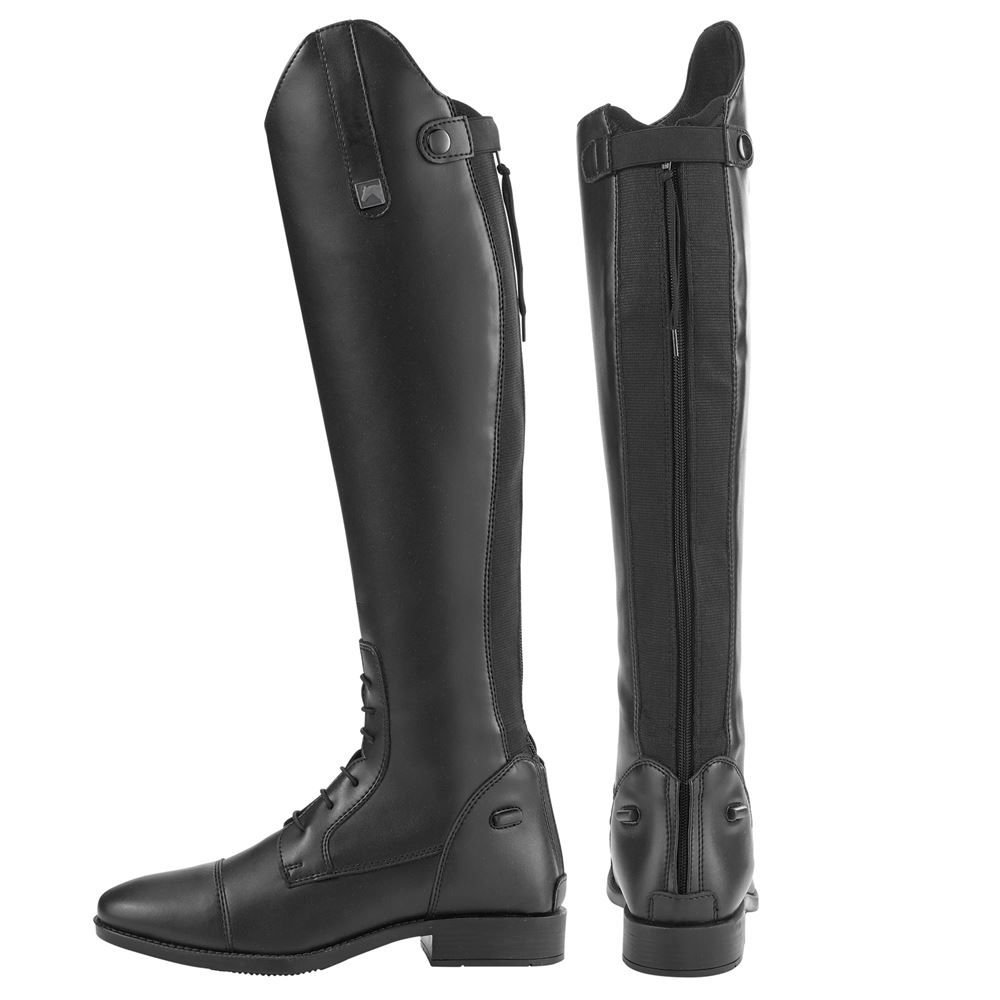
Dress Boots are the epitome of elegance in the world of riding boots. These boots are typically used in dressage competitions and other formal equestrian events where appearance is just as important as performance.
Comparison with Field Boots:
- Stiffer Construction: Unlike field boots, dress boots do not have laces and are generally stiffer, providing a more streamlined appearance. This stiffness helps in maintaining the rider’s leg position, which is crucial in dressage.
- Formal Aesthetic: Dress boots are designed with a smooth, elegant finish, often featuring high-quality leather that showcases the craftsmanship involved in their making. This makes them a preferred choice for formal events where presentation is key.
- Focus on Craftsmanship: The quality of materials and the level of craftsmanship in dress boots are often superior, reflecting their use in high-level competitions. Riders who choose dress boots are often looking for a blend of durability, comfort, and a refined look.
In the world of equestrian sports, dress boots represent a commitment to tradition and excellence. They are not just a piece of equipment but a statement of a rider’s dedication to their discipline. Dress boots ensure style and grace when performing a dressage test or participating in a formal riding event.
How Should Riding Boots Fit?
Finding the perfect fit for your riding boots is crucial for both comfort and performance. A well-fitting pair of riding boots can make all the difference in your riding experience, helping you stay secure in the saddle and preventing discomfort or injury. Here’s a detailed guide to what you should look for when fitting your riding boots.
Length: Support and Protection
When it comes to the length of your riding boot, it’s all about striking the right balance. The height of the boot should provide adequate support while still allowing for a range of motion.
- Boot Height: Riding boot should ideally come up to just below your knee. This height helps protect your lower legs from rubbing against the saddle and offers support during long rides. If the boots are too short, they won’t provide adequate protection, and if they’re too tall, they can dig into the back of your knee, causing discomfort.
- Breaking In: Keep in mind that leather boots will break in and drop slightly as they mold to your leg. It’s okay if the boots feel slightly tall at first, as they’ll settle over time.naturally break
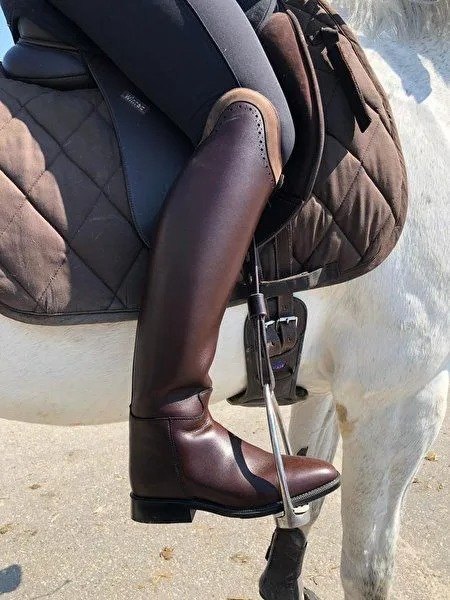
Width: A Snug but Comfortable Fit
The width of your riding boots is another key factor in ensuring comfort and stability. A snug fit is important, but you also want to make sure the boots aren’t too tight.
- Foot and Ankle Fit: The boots should fit snugly around your foot and ankle without being too tight. A boot that’s too loose can lead to instability, while one that’s too tight can cause discomfort and restrict movement. The fit around your ankle should be supportive, offering enough grip to keep your foot secure without pinching.
- Calf Fit (for Tall Boots): If you’re choosing tall boots like dresses or field boots, pay close attention to the fit around your calf. Measure your calves at their widest point and ensure the boots provide a snug fit without cutting off circulation. Many tall boots come with elastic panels or adjustable laces to accommodate different calf sizes.
Heel Fit: Preventing Blisters and Discomfort
A proper heel fit is crucial to avoiding blisters and ensuring a comfortable riding experience.
- Minimal Heel Movement: Your heel should have minimal movement within the boot. If your heel slides up and down excessively, it can cause friction and lead to painful blisters. A slight lift is normal, especially when the boots are new, but it should not be excessive. Look for boots with padded insoles or heel grips to reduce movement.
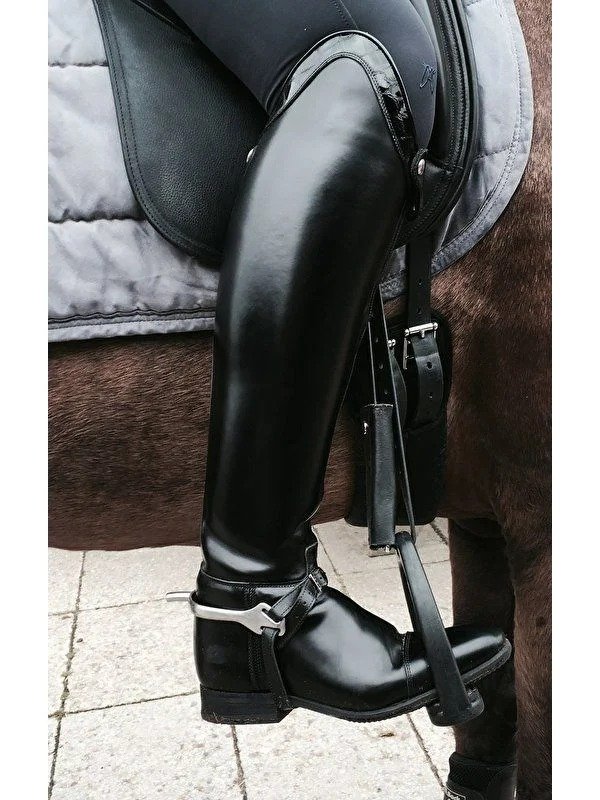
Ankle Fit: Flexibility and Alignment
The fit around your ankle is particularly important in riding boots, as this area needs to offer both support and flexibility.
- Flex Point Alignment: The flex point of the boot should align with your natural ankle joint. This alignment allows for a full range of motion while riding, particularly in disciplines that require a lot of movement like jumping. Boots that are too stiff in this area can restrict your movement, while those that are too loose may not provide enough support.
Toe Room: Comfort for Long Rides
The toe room is often overlooked, but it’s essential for comfort, especially on long rides.
- Sufficient Space in the Toe Box: Your toes should have enough room to move slightly within the boot without feeling cramped. Too little space can lead to discomfort and even long-term foot issues, while too much space can cause your foot to slide forward, leading to instability. A good rule of thumb is to ensure there’s about a thumb’s width of space between your longest toe and the end of the boot.
Secure Closure: Keeping Everything in Place
The way your riding boots close—whether through laces, zippers, or buckles—plays a big role in the overall fit and security.
- Secure zippers and laces to prevent the boots from slipping off or becoming loose during your ride. Ensure the zippers glide smoothly and stay in place, and tie the laces snugly without making them too tight. Some boots also come with adjustable buckles or straps to help you achieve a more customized fit.
In conclusion, finding the right fit for your riding boots involves paying attention to several key areas: length, width, heel fit, calf fit, ankle fit, toe room, and secure closure. By focusing on these factors, you can ensure that your boots not only look great but also provide the support and comfort you need for a enjoyable and safe riding experience.
Frequently Asked Questions About Riding Boots
What Are the Best Materials for Riding Boots?
The best materials for riding boots are usually leather or high-quality synthetic alternatives. Full-grain leather is favored for its durability, comfort, and breathability, molding to your foot over time. Synthetic options, like vegan leather, are also popular for their affordability and ease of maintenance, though they might not last as long as real leather. Choose based on your riding environment and maintenance preferences.
How Often Should Riding Boots Be Replaced?
Riding boots should be replaced based on usage and care. High-quality leather boots can last several years with proper maintenance, especially if used only for riding. If you ride daily or in tough conditions, consider replacing them every 1-2 years. Signs that it’s time for new boots include cracked leather, broken zippers, or worn-out soles.
Can You Use Paddock Boots for Competitions?
Paddock boots are great for everyday riding, but they’re usually not formal enough for competitions, especially in English riding disciplines. For shows, tall boots like field or dress boots are preferred. However, in some lower-level or casual events, paddock boots with half chaps may be acceptable.
What Are the Differences Between Men’s and Women’s Riding Boots?
Men’s and women’s riding boots differ mainly in fit. Women’s boots typically have a narrower footbed and calf, with a shorter height, while men’s boots are generally wider with a roomier fit. The design might also vary to cater to different styles. Always choose boots that fit comfortably around your feet and legs, regardless of the label.
Conclusion
Choosing the right riding boots is essential for safety, support, and comfort. From understanding the different types of boots to ensuring a proper fit, getting the details right can make a huge difference in your riding experience. Remember, your boots should feel snug yet comfortable, offering the support you need without compromising on style or function.
As you invest in your next pair of riding boots, take the time to find the perfect fit and material that suits your riding style and discipline. Whether you’re in the saddle every day or just on weekends, the right boots can elevate your performance and protect your feet. Happy riding, and may your boots always keep you grounded!